.png)
Culture, nature, gastronomy and wine!
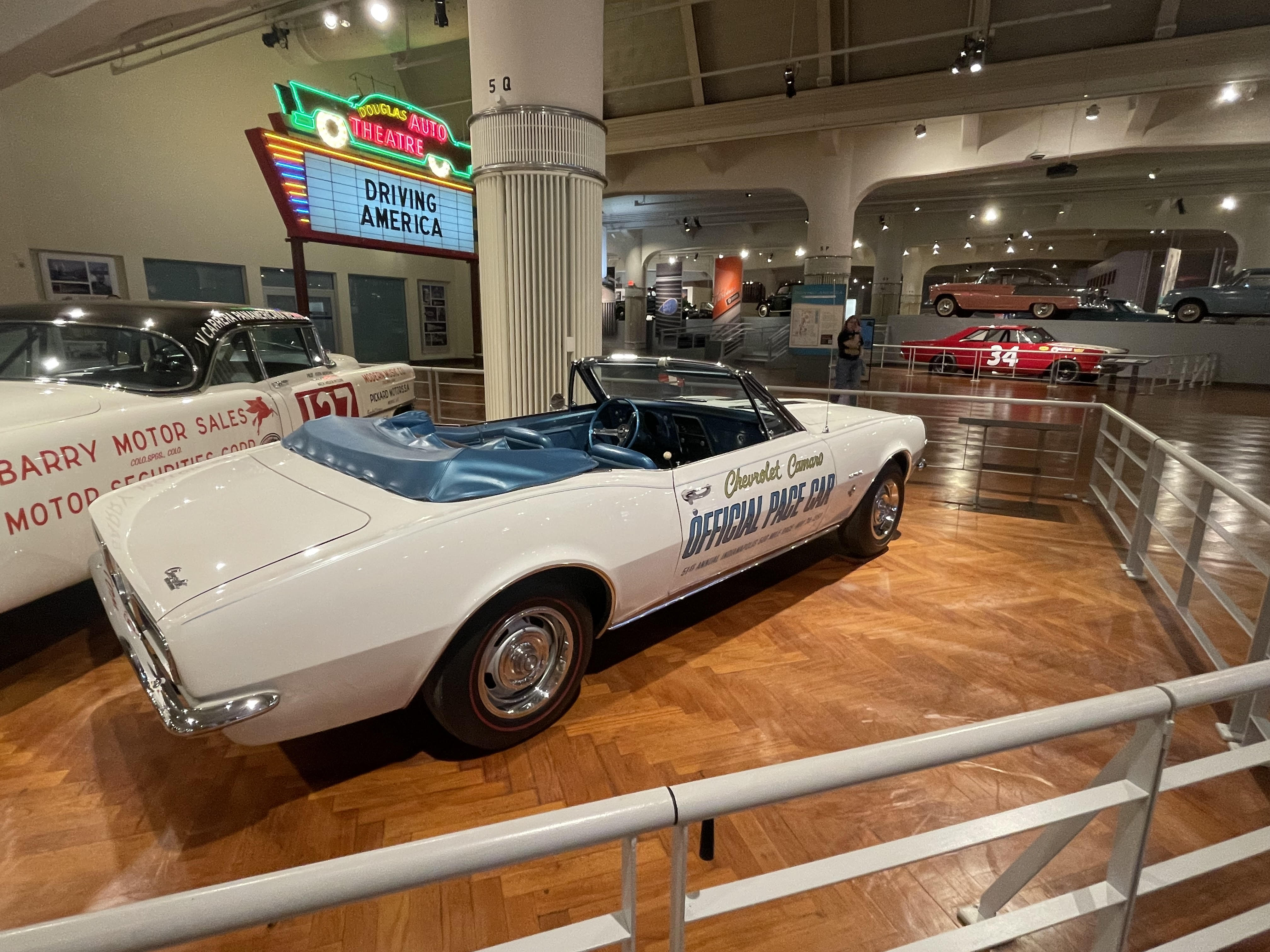
Delegates may wish to take advantage of the exceptional cultural, historical and travel opportunities in the surrounding region, exploring Dearborn's distinctive heritage through visits to the Henry Ford Museum of American Innovation, Greenfield Village, the Arab American National Museum, and the Dearborn Historical Museum, while also enjoying the city’s renowned Middle Eastern cuisine.
Nearby Detroit offers further highlights, including the Detroit Institute of Arts, the Motown Museum, the Detroit Historical Museum and the scenic Detroit Riverwalk.
To the north, Michigan offers miles upon miles of sandy shores and towering dunes, including the dramatic bluffs of Sleeping Bear Dunes National Lakeshore. At the Straits of Mackinac, Lake Michigan meets Lake Huron beneath the iconic Mackinac Bridge. Pictured Rocks National Lakeshore offers 42 miles of sandstone cliffs and there is rugged backcountry and thriving wildlife at Isle Royale National Park.
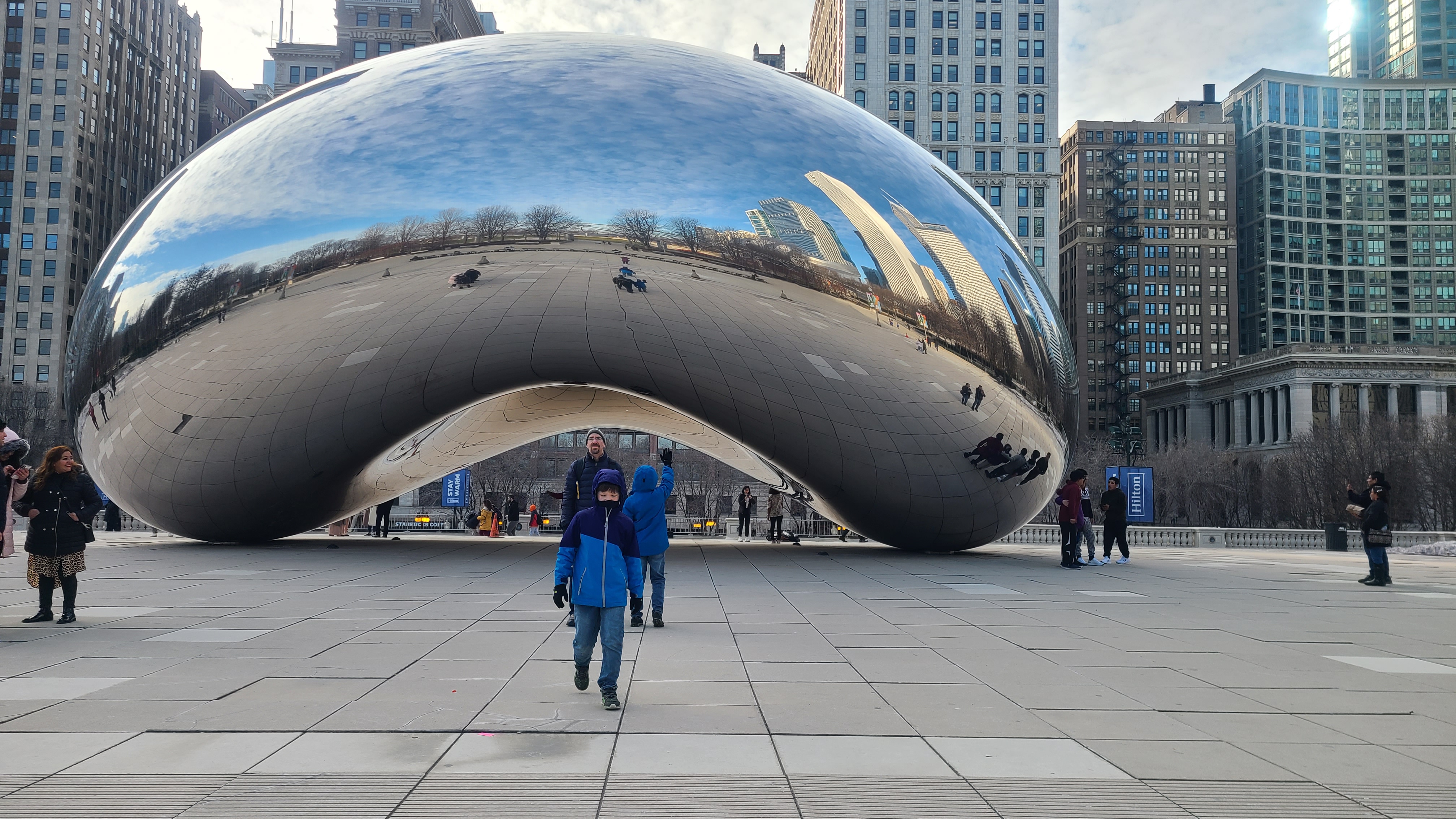
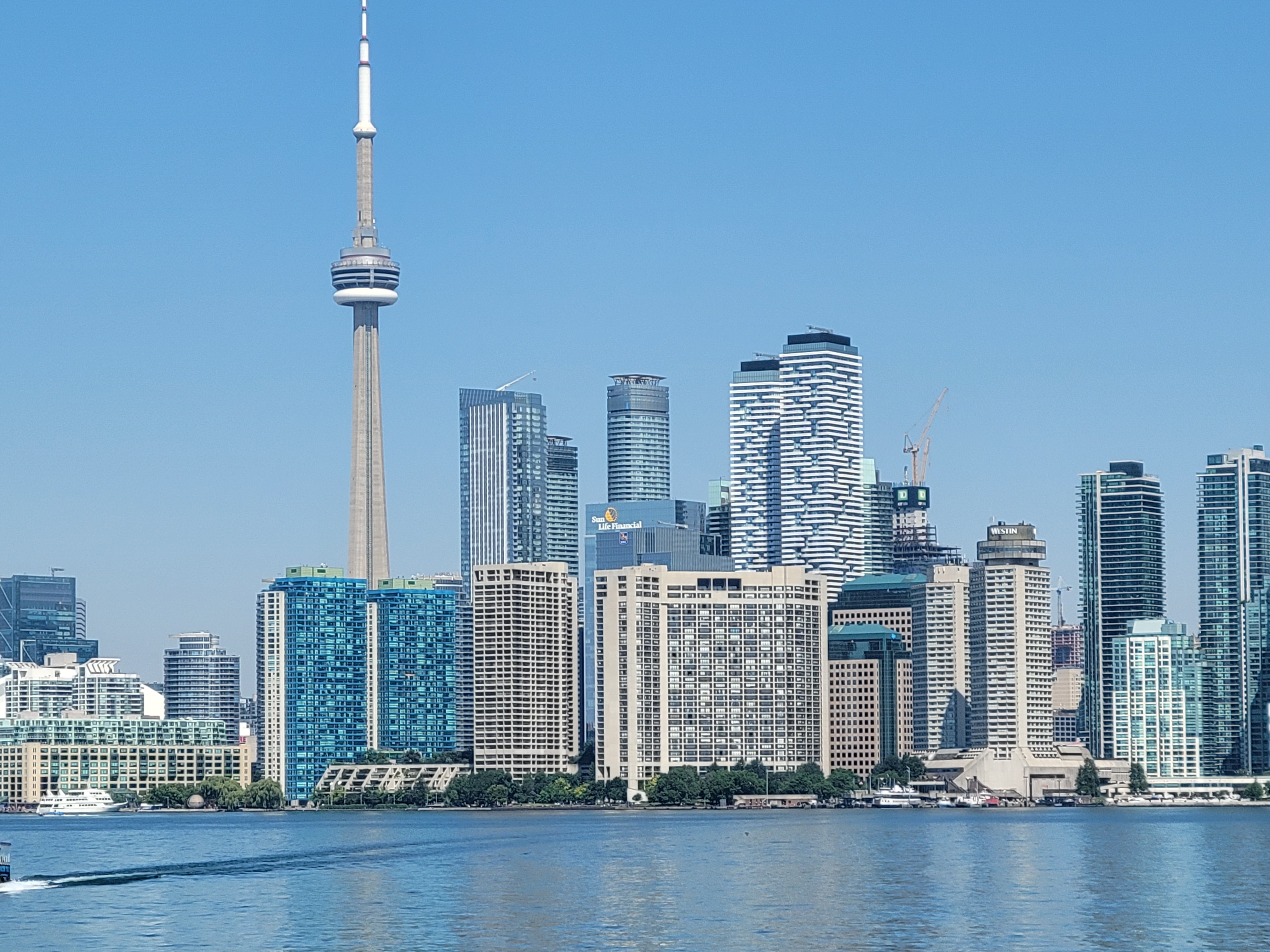
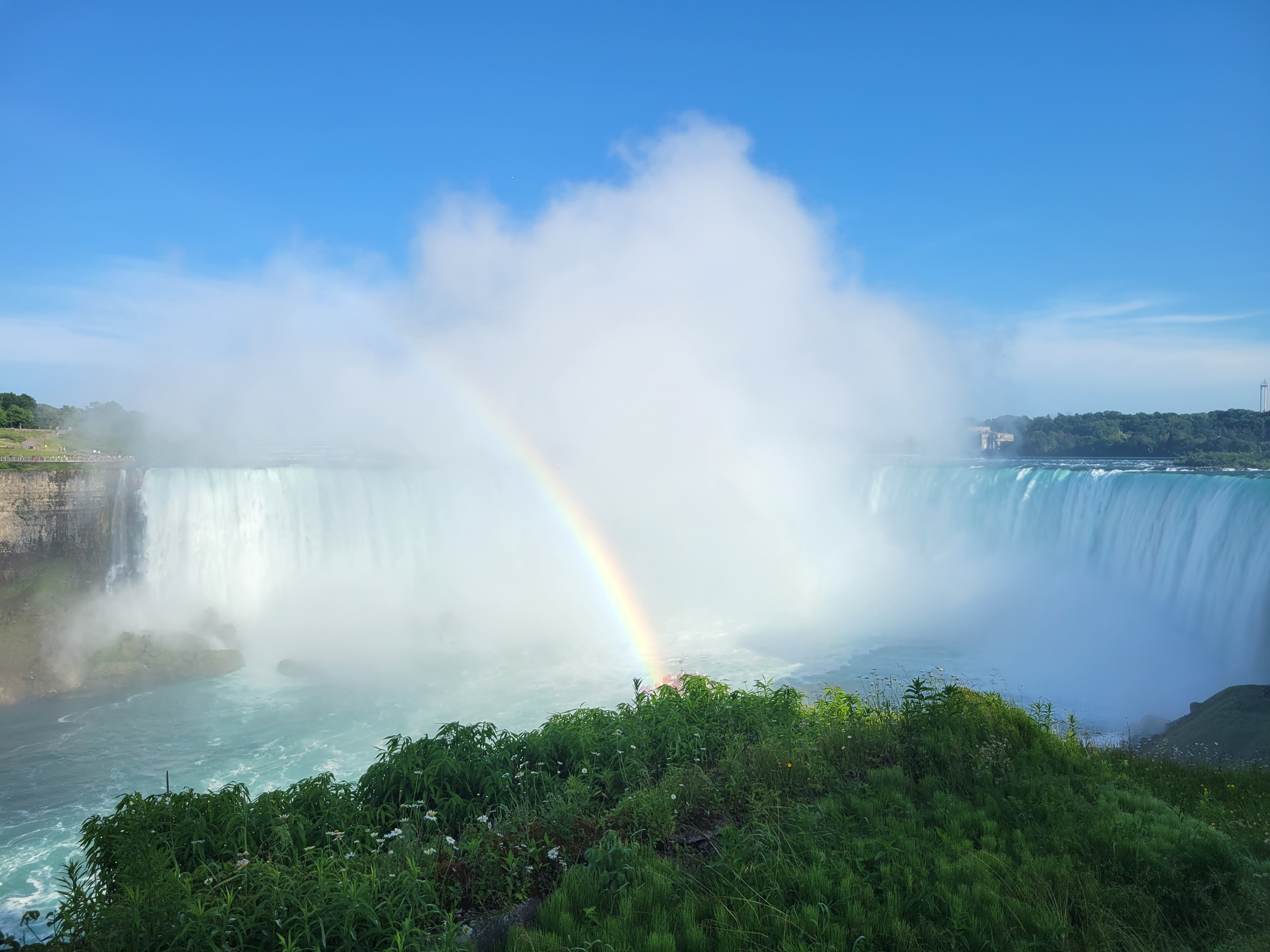
Beyond Michigan, participants can travel west to Chicago, one of the biggest cities in the US and a cultural and entertainment hub, or to the east and experience one of the world’s great natural wonders, the Niagara Falls. The journey can be enriched with time in the Niagara wine region, before continuing to Toronto for a few days of world-class museums, waterfront walks, theatre and vibrant multicultural dining.
Discover Dearborn
Dearborn is located in Southeast Michigan and is part of the Metro Detroit area. Long known as the birthplace of Henry Ford, Dearborn is a city of innovation and immigration, where families from around the world came to build a life.
Today, Dearborn is a rich, vibrant, multicultural community where church bell towers stand next door to mosque minarets, and where you can find both some of the best pączki and shawarma in the United States. Dearborn is also known as the Coffee Capital of Michigan, with more than 45 coffee shops to explore.
Dearborn’s modern growth was boosted in 1917 when Henry Ford built the Ford Rouge Plant here. As Ford Motor Company expanded, Dearborn became its world headquarters, and the city now features two walkable downtowns (east and west) with restaurants, cafés, shops, and museums.
The area around the University of Michigan–Dearborn offers easy access to historic sites, cultural institutions, and a wide range of dining options, all within a short drive or rideshare from campus.
Things to Do in Dearborn
The Henry Ford
The Henry Ford is Michigan’s premier multi-venue cultural destination, featuring:
- Henry Ford Museum of American Innovation
- Greenfield Village
- Ford Rouge Factory Tour
- Giant Screen Experience
Visit the Henry Ford Museum of American Innovation to step inside the bus where Rosa Parks made history, explore the evolution of flight from the Wright brothers onward, and tour Buckminster Fuller’s Dymaxion House.
Ford Rouge Factory Tour
The Ford Rouge Factory Tour offers a five-part experience inside Ford’s historic Dearborn Truck Plant, highlighting game-changing technology, sustainable design, and modern American manufacturing.
Greenfield Village
At Greenfield Village , 80 acres bring 300 years of American perseverance to life. You can:
- Visit Thomas Edison’s lab and the Wright brothers’ workshop
- Ride in a real Model T
- Explore working farms and historic homes
- Meet artisans practicing traditional crafts
Arab American National Museum
The Arab American National Museum (AANM) is the first and only museum in the United States devoted to documenting and sharing the Arab American experience, from the first immigrants in the late 19th century to today.
Coffee Culture
Dearborn’s reputation as the Coffee Capital of Michigan comes from its dense and diverse coffee scene. You can explore an up-to-date map of Dearborn coffee shops here .
Must-try Coffee Shops
- Qahwah House – A family-run Yemeni coffee house focused on high-quality, authentic coffee and community.
- Jabal Coffee – A cozy spot with strong cultural roots, ideal for relaxed evenings or small meetings.
- Bayt Al Mocha – A warm, Yemeni-inspired café offering traditional coffee in a welcoming setting.
Food & Restaurants
Dearborn is widely celebrated for its Middle Eastern cuisine and diverse restaurant scene. A great overview is available via Destination Dearborn .
- Al Ameer – James Beard Award-winning Lebanese restaurant known for hummus, pita, and mixed grills.
- Sheeba – Famous for Yemeni dishes such as slow-cooked lamb haneeth.
- Famous Burgers – Gourmet burger spot with roots dating back to 1970s Beirut.
- So Cheesy – Award-winning burgers and comfort food.
- Mint 29 – Upscale American–Mediterranean fusion.
- Tiliani – Fine-dining Italian with a Mediterranean influence.
- The Canteen – A modern food hall within walking distance of UM-Dearborn, featuring sushi, burgers, shawarma, pasta, ice cream, and more.
- Dearborn Meat Market – Known for excellent Middle Eastern grilled meats.
Detroit and Southeast Michigan
Dearborn is located in the Metro-Detroit area. Dearborn borders Detroit to the north and east, and it is located roughly 7 miles west of downtown Detroit.
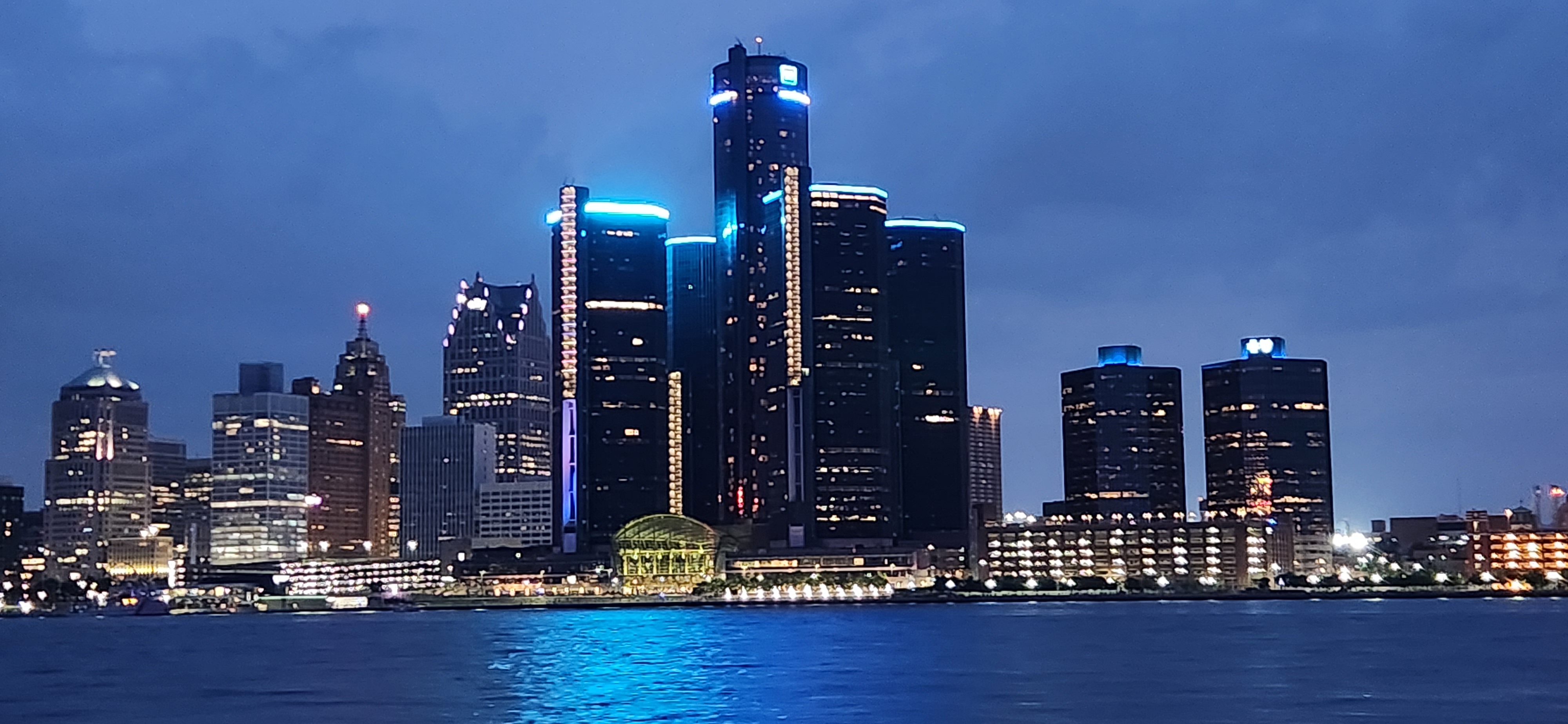
Detroit is a dynamic, diverse city with an intriguing history. It is a place of people and places, trends and events, world-changing inventions and groundbreaking music. Long known as the automobile capital of the world, Detroit is also famous for its distinctive Motown sound from the 1960s.
Detroit Institute of Arts
The Detroit Institute of Arts (DIA) has been a beacon of culture for the Detroit area since its founding in 1885. The DIA's collection is among the top six in the United States, with more than 65,000 works. In addition to outstanding American, European, Modern and Contemporary, and Graphic art, the museum holds significant works of African, Asian, Native American, Oceanic, Islamic, and Ancient art.
Highlights include Diego Rivera's Detroit Industry fresco cycle, which Rivera considered his most successful work, and Vincent van Gogh's Self-Portrait, the first Van Gogh painting to enter a U.S. museum collection.
Motown Museum
As an irresistible force of social and cultural change, Motown made its mark not just on the music industry but on society at large. The Motown Museum is the beating heart of this legacy: a destination that brings together people and ideas from different generations and celebrates the past while building a bridge to the future.
From the moment you walk through the door, you are greeted by the voices of Motown and a profound sense of history and significance as you step into the era of musical magic.
The District Detroit
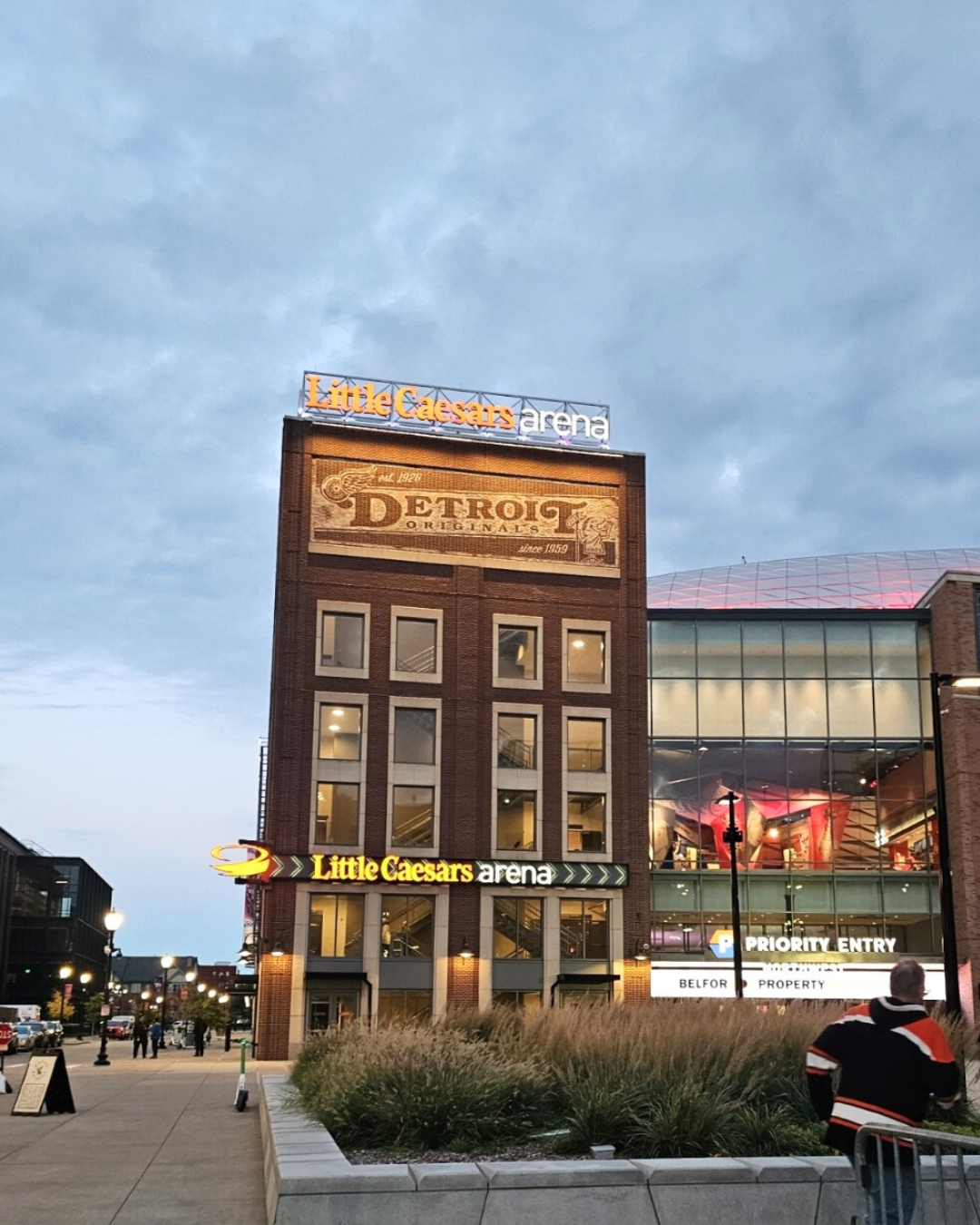
The District Detroit is a world-class sports and entertainment district offering diverse restaurants, retail stores, hotels, housing, and offices. It is the only district in the United States where all four major professional sports teams play within walking distance: the Detroit Red Wings and Detroit Pistons at Little Caesars Arena, the Detroit Tigers at Comerica Park, and the Detroit Lions at Ford Field.
The area also includes Columbia Street, a pedestrian-only street between the historic Fox Theatre and The Fillmore, lined with food, drink, and entertainment options.
Fox Theatre
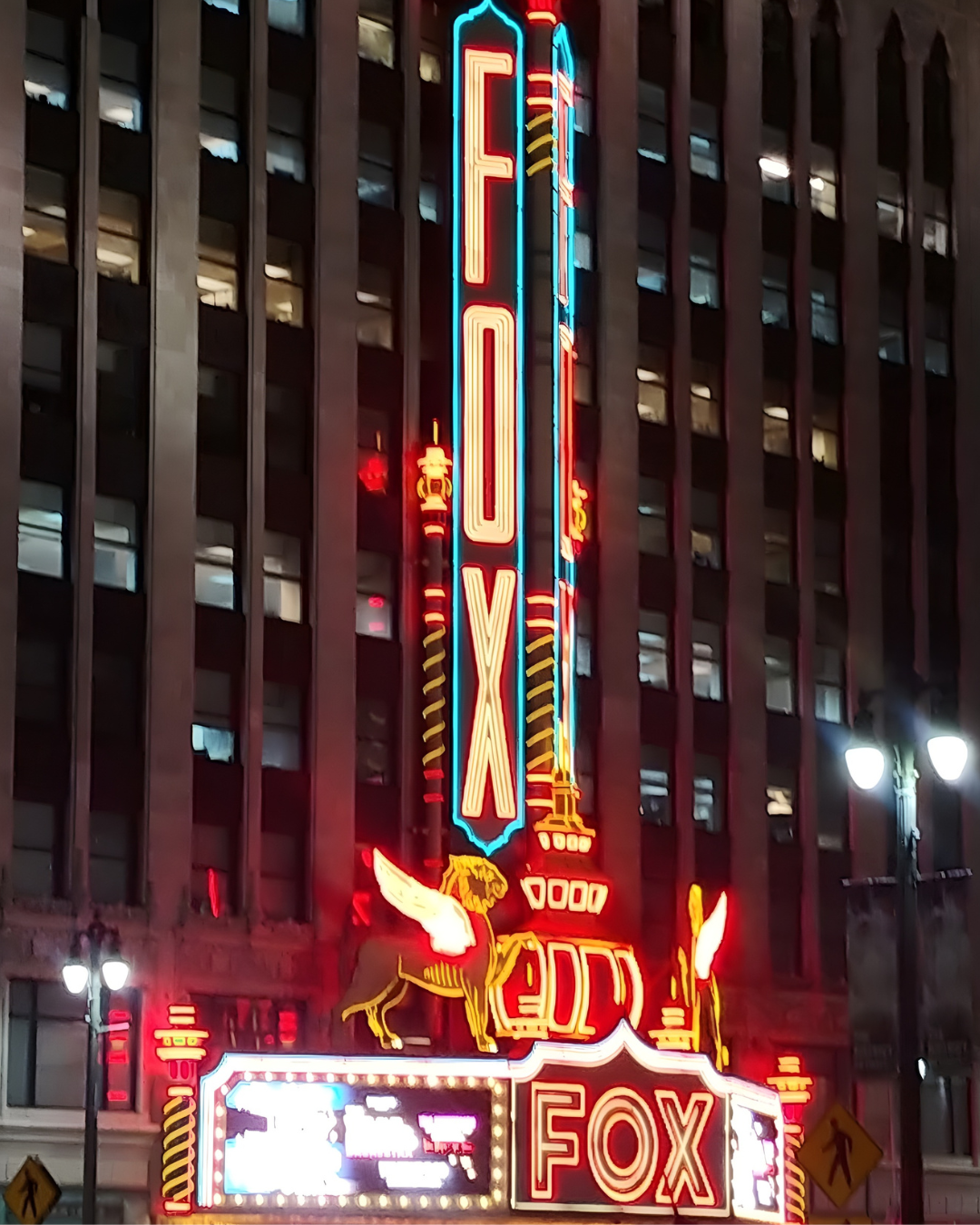
Detroit’s crown jewel, the Fox Theatre, opened in 1928 as a flagship movie palace and is now one of the most iconic theatres and music venues in the world. Over its long history it has hosted performers such as Shirley Temple, Elvis Presley, and Frank Sinatra, as well as Broadway tours, interactive stage shows, and holiday productions.
The Fox Theatre is designated as a National Historic Landmark and is listed on the National Register of Historic Places.
Detroit Riverwalk
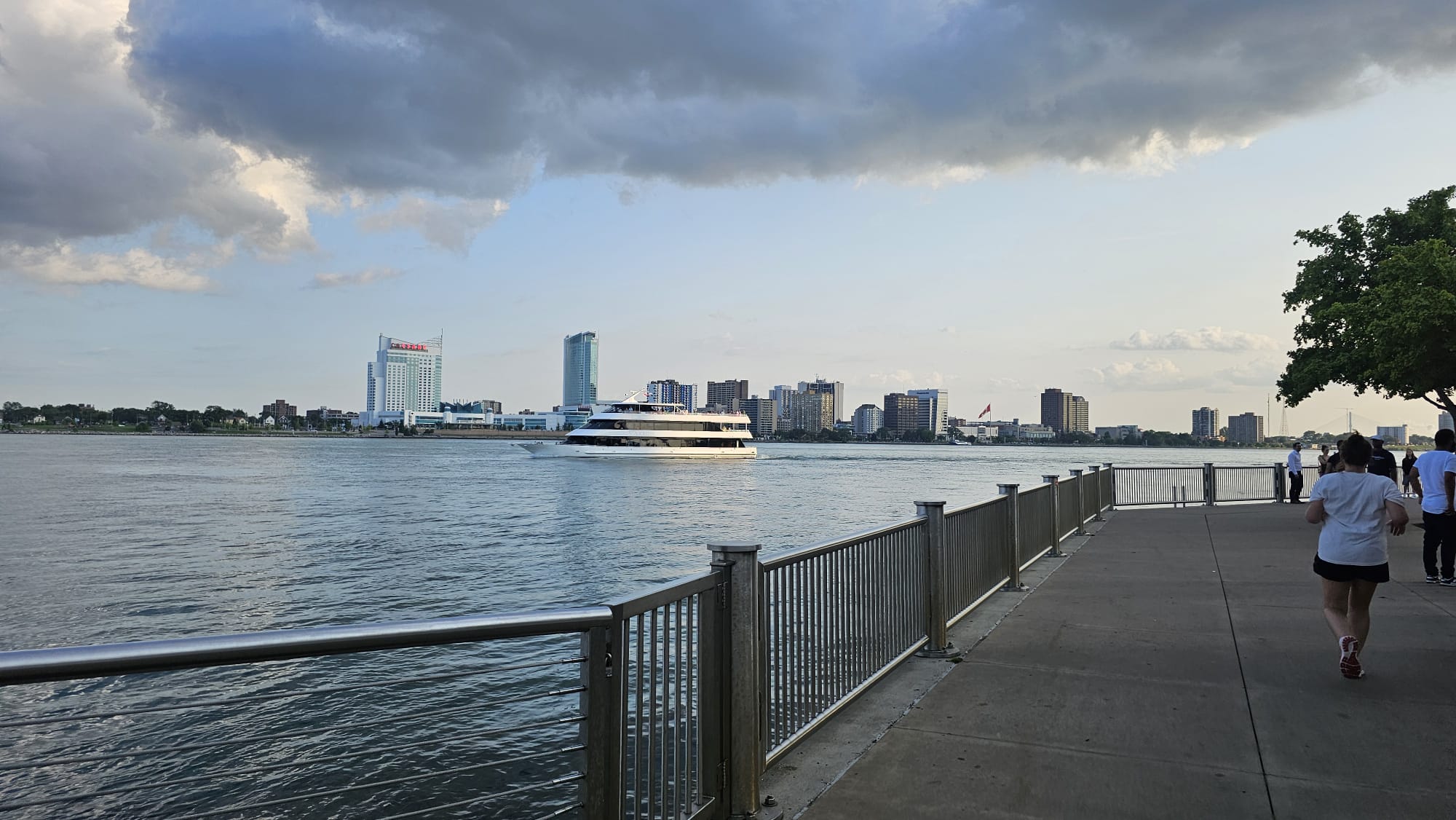
The Detroit International RiverWalk spans more than three miles, from Rosa Parks Blvd. to the Belle Isle Bridge. The RiverWalk features the RiverWalk Café, splash pads and fountains for children, a carousel, nature areas, and sweeping views of both Detroit and Windsor, Canada—ideal for a walk, run, or bike ride along the water.
Belle Isle
Located along the Detroit River, Belle Isle is a 2.5-mile-long island park that serves as an urban oasis. Its 230 acres of forested wetlands and multiple trails showcase a unique ecology along international waters.
The park is home to the Belle Isle Aquarium, the Anna Scripps Whitcomb Conservatory, the Dossin Great Lakes Museum, Belle Isle Nature Center, the James Scott Memorial Fountain, and more.
Great Lakes & Michigan’s Shorelines
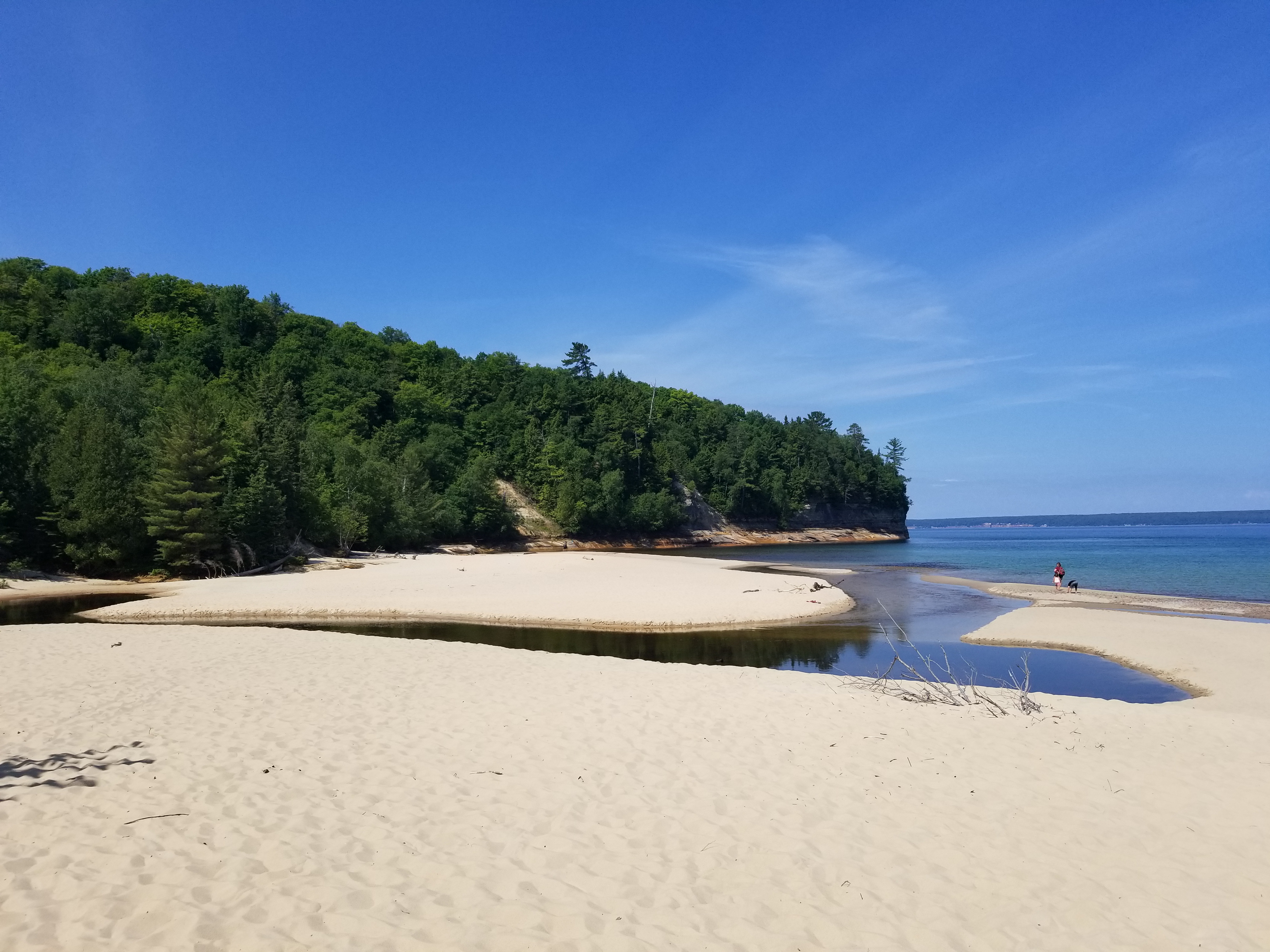
The Great Lakes account for one fifth of the world's supply of surface fresh water, and Michigan is home to four of the five. Lake Michigan forms the western coast of the Lower Peninsula with sugar-sand shores and towering dunes, including the dramatic bluffs of Sleeping Bear Dunes National Lakeshore. At the Straits of Mackinac, Lake Michigan meets Lake Huron beneath the iconic Mackinac Bridge.
Lake Huron spans most of Michigan’s eastern border—often called the “Sunrise Side” for its spectacular sunrises. To the southeast, Lake Erie provides wildlife viewing and hiking opportunities just a short drive from Metro Detroit.
Along the northern shore of Michigan’s Upper Peninsula lies Lake Superior, the largest freshwater lake in the world by surface area. Here you can marvel at 42 miles of sandstone cliffs at Pictured Rocks National Lakeshore and explore Isle Royale National Park, known for its rugged backcountry trails and thriving wildlife.
Surrounding attractions: Chicago, Toronto, Niagara Falls
Use the opportunity to visit some of the highlights of the region, with the cultural hubs of Chicago and Toronto, the wine country near Toronto and the world famous Niagara Falls.